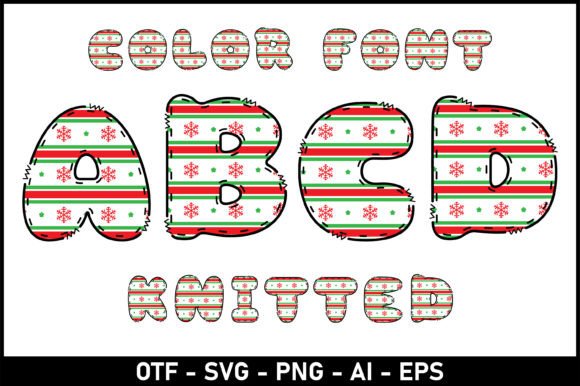
Knitted: Adding Handmade Charm to Modern Design
The tactile warmth of a knitted texture instantly evokes comfort and craftsmanship, making it a powerful tool in a designer's visual arsenal. This distinctive style, characterized by its intricate, woven appearance, offers a unique way to inject personality and a handmade feel into digital and print projects. Far from being a niche element, this approach to typography and pattern design is finding its place in contemporary branding, packaging, and digital interfaces, appealing to audiences seeking authenticity and artisanal quality.
The Visual Impact of Knitted Design Elements
In visual design, texture and pattern are crucial for creating depth and emotional resonance. A knitted aesthetic contributes significantly to this by adding a layer of tactile interest that flat colors cannot achieve. It suggests care, tradition, and a personal touch. This is particularly effective in designs that aim to convey a playful or artistic feel, such as children’s books, posters, invitations, greeting cards, and more. For instance, children’s books often utilize fonts that are whimsical, colorful, and easy to read, creating an engaging reading experience for young audiences.
Practical Applications Across Creative Projects
The versatility of this style allows it to enhance a wide range of creative assets. Its application goes beyond mere decoration, serving functional roles in communication and branding.
- Branding and Logo Design: Incorporating a knitted element can help a brand, especially in the food, craft, or lifestyle sectors, communicate values of warmth, sustainability, and handmade quality. It can make a logo more memorable and approachable.
- Packaging Design: On product labels and boxes, this texture can stand out on the shelf, signaling a premium, artisanal product. It works beautifully for yarn, food items, or boutique goods.
- Social Media Graphics: Posts and stories using this textured background or typography can stop the scroll, offering a visual break from polished, sterile graphics. It adds a relatable, human element to digital marketing.
- Editorial and Web Design: Used sparingly as a decorative header or pattern, it can add visual interest to magazines, blogs, and websites, guiding the eye and breaking up monotonous layouts without compromising readability.
Integrating Textured Typography into Your Design Workflow
When selecting a typeface with a knitted or textured effect, practical considerations are paramount. The primary goal is to maintain a strong visual hierarchy and ensure the text remains legible. It’s often best used for headlines, titles, or short bursts of impactful text rather than for lengthy body copy.
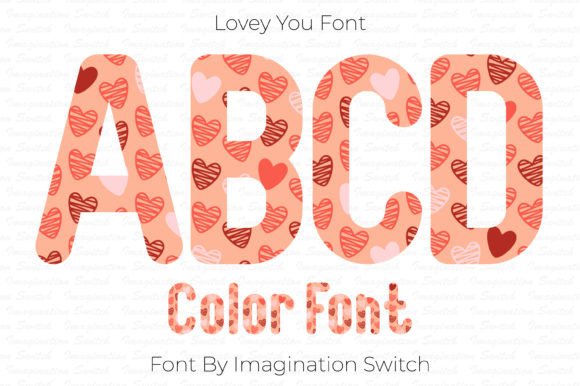
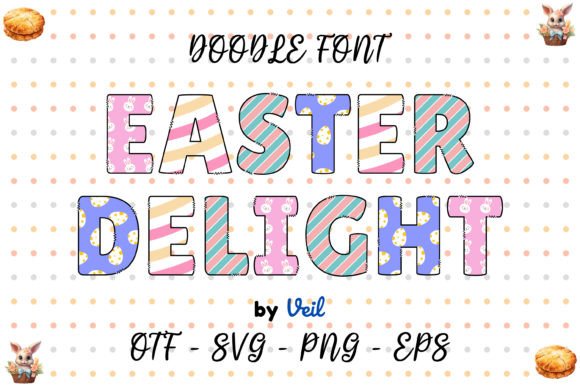
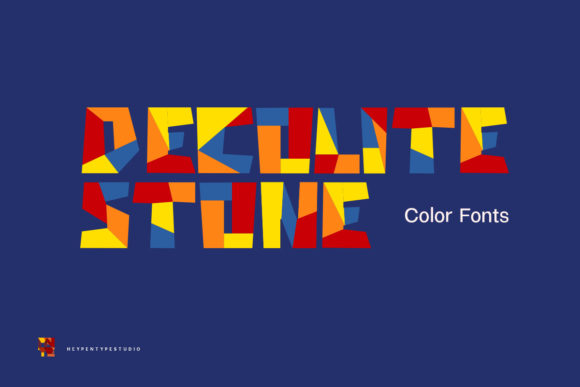
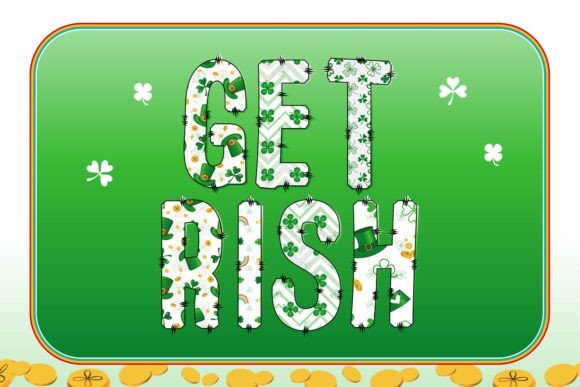
A critical factor is file compatibility. The black version of such a font is typically compatible with a broad range of software, including Cricut Design Space and other cutting machines, making it ideal for physical craft projects. However, the color version of this font is only compatible with certain design programs incl. PhotoShop, Illustrator, Silhouette, and Inkscape. The OTF and/or TTF files of the color version are not compatible with Cricut. For more information on how to use this type of font please check our Ultimate Font Guide.
Tips for Effective Use
- Prioritize Readability: Test your chosen knitted font at the intended size and background. Ensure there is sufficient contrast between the text color and the background.
- Consider Context: Does the playful, handmade feel align with your overall brand identity and the project's message? It may not suit a corporate financial report but is perfect for a bakery's menu.
- Balance with Simpler Elements: Pair a detailed knitted font with clean, sans-serif typography for body text. This creates a balanced composition where the textured element stands out without overwhelming the design.
- Check Scalability: Verify that the intricate details of the texture remain crisp when scaled up for large prints or down for small icons.
Ultimately, the choice to use a knitted design element is a strategic one that can profoundly affect a project's aesthetic and emotional impact. By thoughtfully integrating such textures, designers can create more engaging, memorable, and human-centered visual communication. Quality creative assets like these empower creators to tell richer stories, strengthen brand narratives, and produce work that resonates deeply with its intended audience, proving that sometimes, the most modern solutions are inspired by timeless craftsmanship.